What to check before booking a Barcelona private tour guide
@barcelonaprivatetourguidemedia
A private tour can make Barcelona feel far easier to read. Instead of trying to keep track of narrow streets, opening times, crowded landmarks and transport connections, the day can be shaped around what matters most to the people travelling. The right Barcelona private tour guide can add context to the architecture, history, food and neighbourhoods, while leaving enough space for pauses, photos and detours.
Before booking, it helps to look past the headline and check the details that affect the day itself. A good fit is not only about knowledge of the city. It is also about clear communication, sensible planning, honest limits and a route that suits the group. The points below keep the decision practical.
Check what the tour actually covers
Start with the route and the time it takes. Barcelona is compact in some areas and surprisingly slow in others, especially around busy landmark districts. A plan that lists many famous stops may look generous on paper but feel rushed in person. Ask whether the day focuses on the Gothic Quarter, Sagrada Familia, Park Güell, Montjuïc hill, food stops or a mix of these places. The best route is usually the one that leaves room to look around rather than simply move from one pin to the next.
It is also worth checking how much of the tour is walking, where breaks happen and whether transport between areas is included in the plan. A route that crosses the city can take a large part of the day. If the day is meant to be relaxed, fewer neighbourhoods with deeper explanation will usually work better than a long list of sights.
Confirm how the itinerary is shaped
Many travellers want a customized itinerary, but the term can mean different things. Sometimes it means the route has a few flexible points. In other cases, the whole day is built around specific interests, such as architecture, family-friendly stops, wine tasting or a particular neighbourhood. Ask what can be changed before booking and what stays fixed, especially where tickets, timed entry or transport are involved.
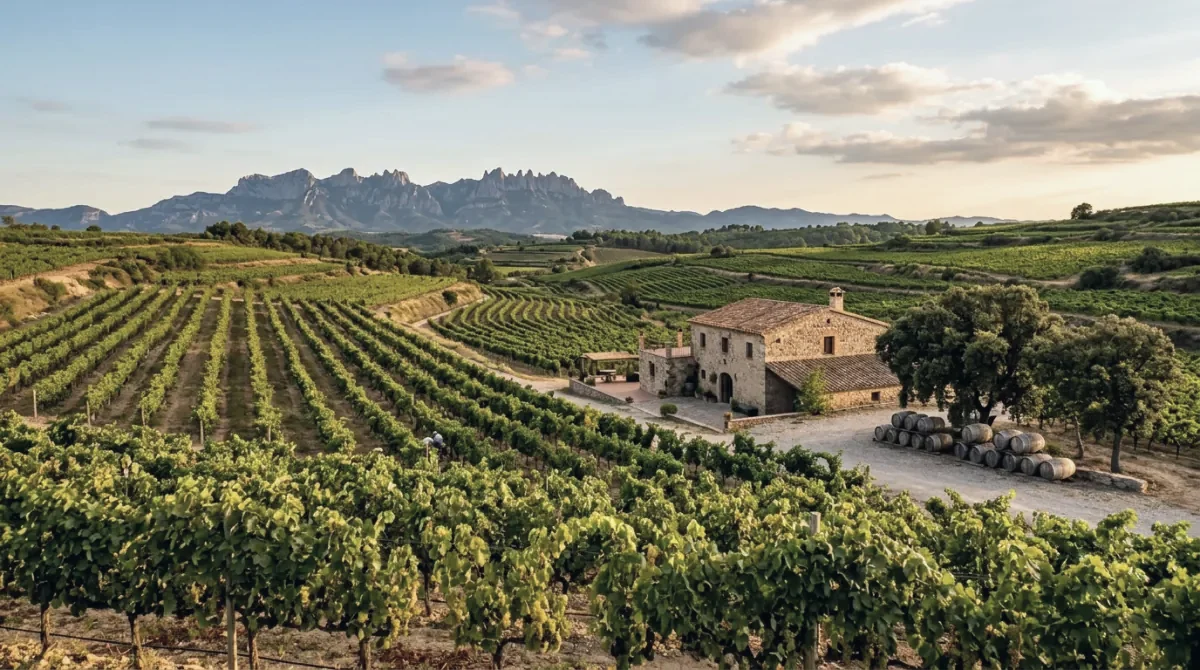
A useful sign is a clear conversation about priorities before the tour. If certain places matter most, they should be protected in the plan. If the group prefers wandering, quiet cafes or time by the water, the route should allow that. The aim is not to squeeze in everything, but to match the pace and interests of the group.
Look closely at access and entry arrangements
Some Barcelona landmarks use timed entry, security checks or advance reservations. skip-the-line access may apply at certain attractions, but it does not mean every part of a visit is free of waiting. It is sensible to ask which sites are entered with pre-arranged tickets, which are viewed from outside and whether security queues still apply. Clear expectations prevent a difficult start to the day.
Also check what happens if an attraction is closed, a route is busy or entry rules change. A thoughtful plan has alternatives nearby instead of leaving a large gap in the itinerary. This matters in a city where popular sites can shape the rhythm of the whole visit.
Check the guide's style and language
The tone of a tour affects the day as much as the route. Some visitors want a detailed history lesson. Others prefer short stories, local context and time to explore on their own. Ask how the guide usually balances explanation with free time, and whether questions are welcome throughout. A conversational approach often works well in Barcelona because the city layers Roman, medieval, modernist and contemporary history in the same streets.
Language is another basic point to settle early. Confirm the language of the tour and whether the guide can adjust clearly if the group includes different levels of understanding. If children or older travellers are joining, mention that before the day. Pace, volume and the amount of standing can then be planned with those needs in mind.
When comparing options, keep the name in perspective. privatetourinbarcelona.com may appear during research, but the decision should still rest on the specific details that affect the tour. A clear itinerary and a good communication style are more useful than a broad promise of a memorable day.
Ask about group size and attention
A private tour should feel different from a busy shared tour. small group size can make it easier to ask questions, hear explanations and pause together. Even within a private booking, group size matters. A large family group may need a different pace from two travellers who want to linger over architecture or food.
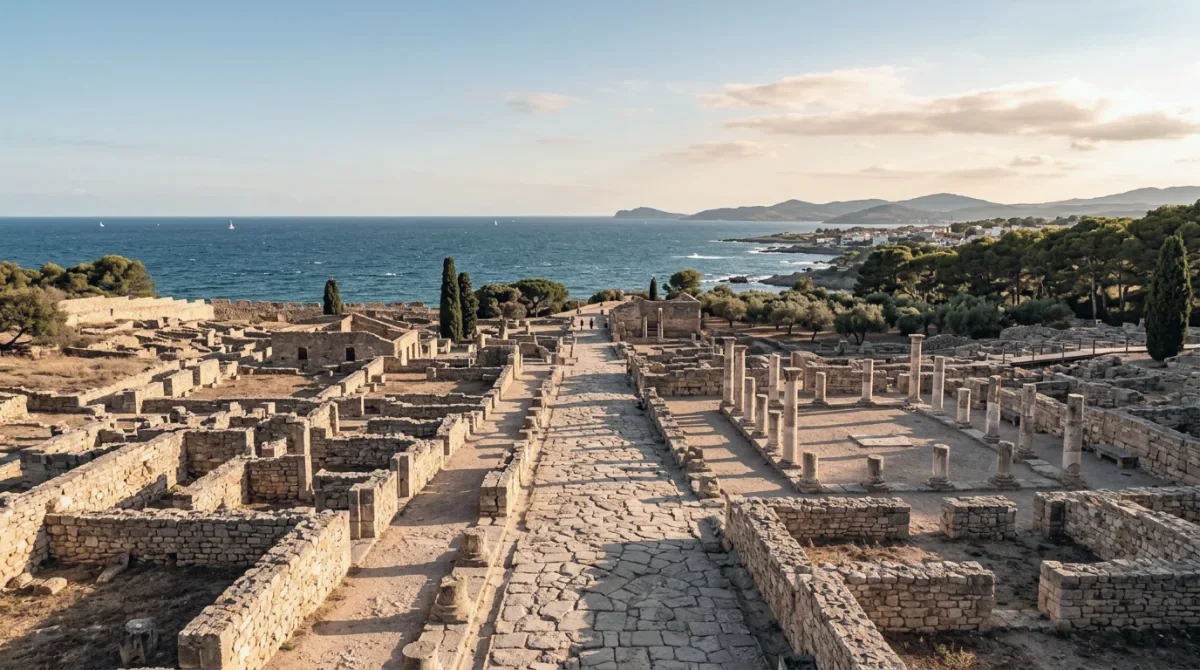
Check whether the tour is designed for one group only and how the guide manages mixed ages or interests. If some people want a slower walking pace, that should be part of the plan. If one person has a strong interest in art or food, the route can give that subject more space without derailing the day.
Review the meeting details before committing
Many tours begin near a landmark, a metro exit or a hotel. Each option has a different practical feel. A famous square can be easy to describe but hard to find when crowded. A hotel pickup may sound convenient but can add time if the hotel sits outside the planned route. Ask for a precise meeting point, a clear time and a simple way to recognise the guide.
It is also sensible to confirm the end point. A tour that finishes near lunch, a metro station or the next neighbourhood is easier to enjoy than one that ends far from where the group wants to go. This small detail can shape the rest of the day.
Understand what is included and what is not
Before booking, separate the essentials from the extras. The essentials may include the guiding time, the route and any pre-arranged entry arrangements. Extras might include food stops, tastings, transport or tickets to attractions beyond the main plan. None of these should be vague by the time a booking is confirmed.
Ask whether there is free time for meals and whether stops such as wine tasting are arranged as part of the day or simply suggested. Check whether entry tickets are included in the arrangement or handled separately. This is not about hunting for fine print, it is about knowing how the day will run.
Check flexibility and cancellation terms
Travel plans change. Flights are delayed, weather shifts and energy levels are not always predictable. Before booking a Barcelona private tour guide, read the terms for changes and cancellations. Notice the time windows, the process for altering a date and what happens if an attraction closes or a planned area becomes difficult to access.
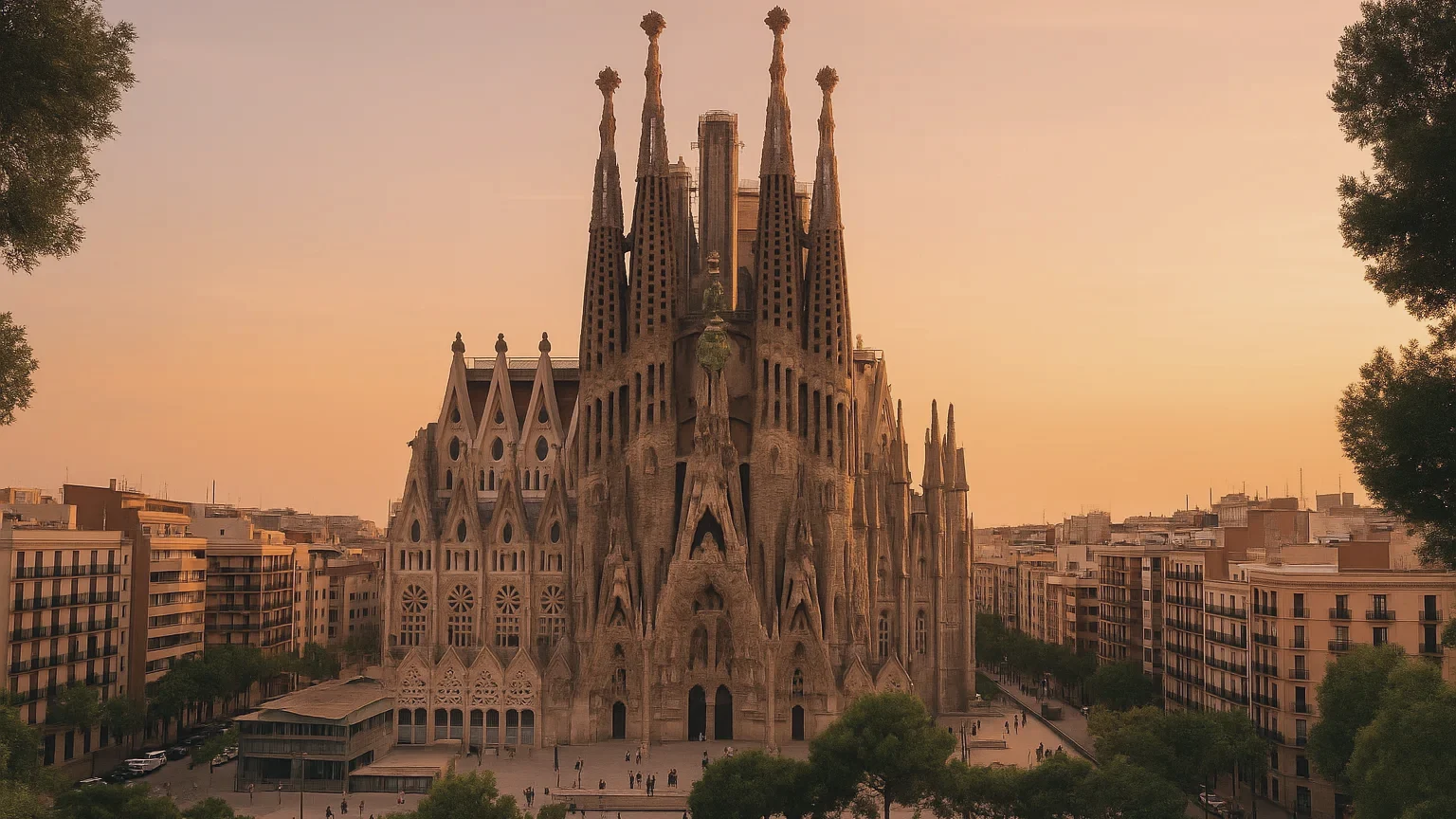
Flexibility should be realistic. A route with timed tickets cannot always be moved at the last minute, while a walking route through neighbourhoods may be easier to adjust. Understanding this difference helps avoid frustration later.
Use a short set of questions
If time is limited, these questions cover the main points without turning the decision into a long process:
- Which places are included, and how long is spent at each one?
- What parts of the itinerary can be changed before or during the tour?
- Which attractions have pre-arranged access, and which are viewed from outside?
- How is the pace set for the group, especially walking and breaks?
- What is the exact meeting point, end point and cancellation process?
A private tour works best when the plan is clear but not rigid. The right guide can connect the city's streets, buildings and everyday life in a way that feels easy to follow. Check the route, access, pace, communication and terms before booking, then choose the option that fits the way the group wants to experience Barcelona.